Florida, Road Trip

Heading North

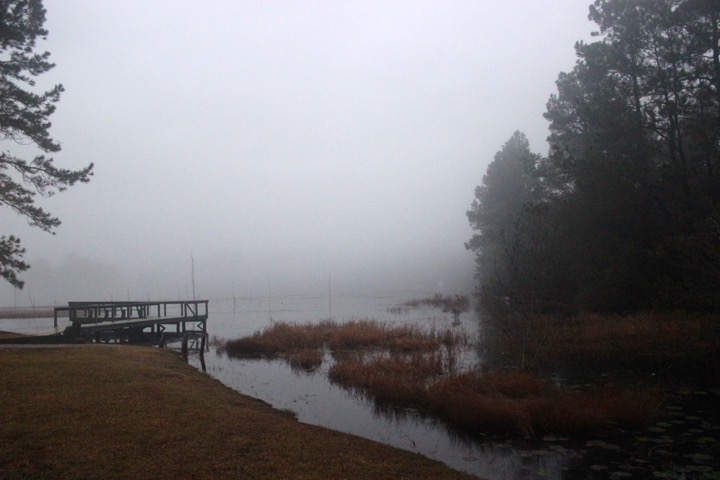
Lake Juniper Fog

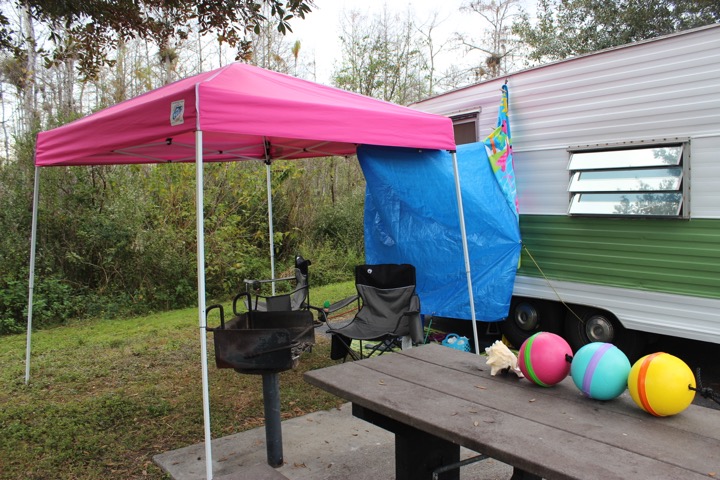
We’ve made our way up to the Florida panhandle.  It’s a bit colder up here, but we’ve also spent some quality time with family.

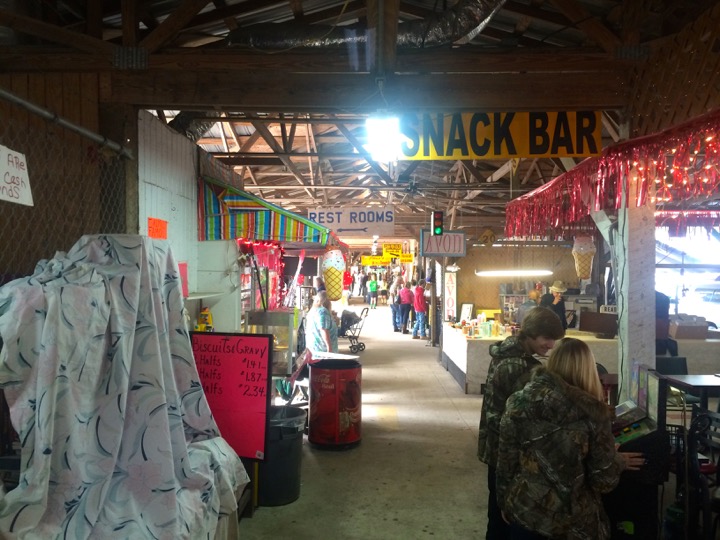
We hit up this exciting flea market… it was exciting, but we didn’t buy anything!

Flea Market

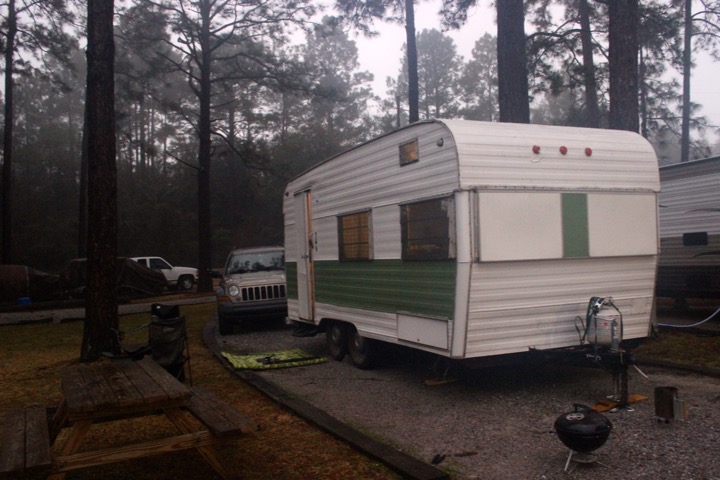
A few foggy camping days ensued.  We’ve really seen a lot of the state of Florida, and it is crazy how varied the environment is.  Big southern forests up north, beautiful Atlantic beaches, alligator filled marshes in big Cypress, and Caribbean vibes in the Keys.

Camping in the fog

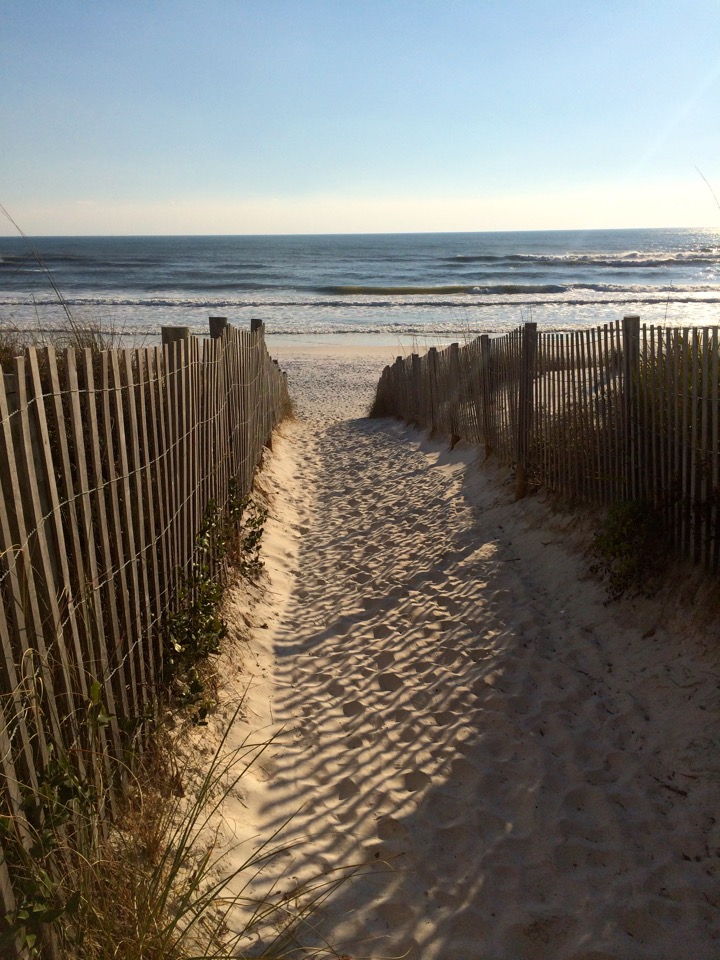
We ended this current leg of the journey at the white sandy beaches along the gulf coast. Sweet!

Miramar Beach

Florida, Road Trip

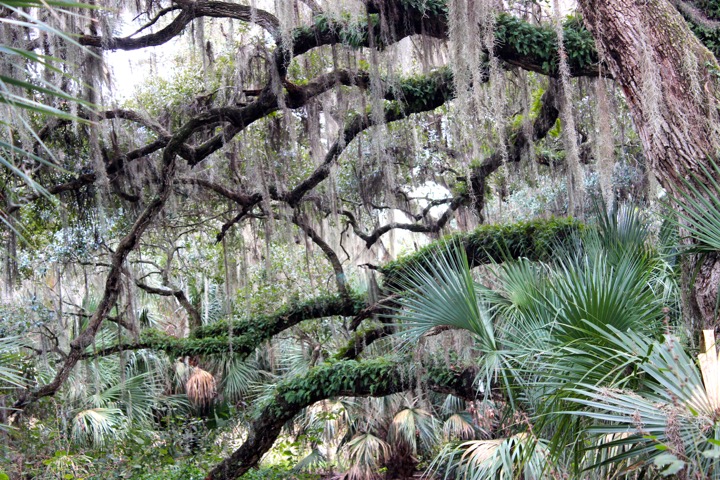
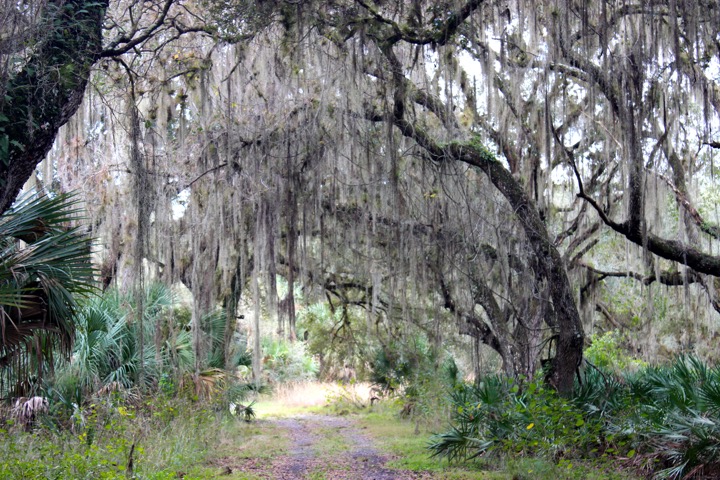
Hickory Hammock

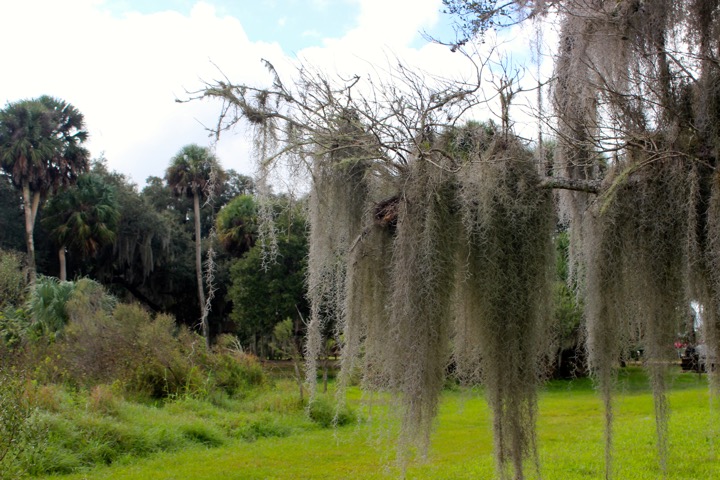
Hickory Hammock Trees

We finally got around to spending a couple nights out in the woods at the Hickory Hammock Wildlife Management Area.  To keep up the work pace, we’ve been spending more time camped at sites with wifi and all the other comforts of home like hot showers and water pressure.

To take a break from all that comfort, we headed to Hickory Hammock.  This place is part of the South Florida Water Management District – and it’s free!  I wasn’t really sure what to expect, but the campground was really well situated.

A quick online registration gets you the code for the gate to the area.  The campground has composting toilets (read: fancy porta potties), an outdoor shower, and fire rings.

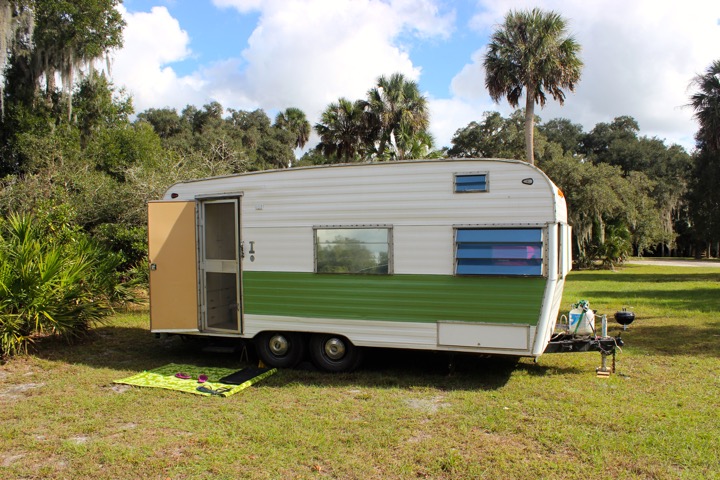
Hickory Hammock Camping

We walked a little bit of the horse trail that surrounds the area, we saw some wildlife, had a fire, got some bug bites, and just generally had a great couple of days.

Hickory Hammock

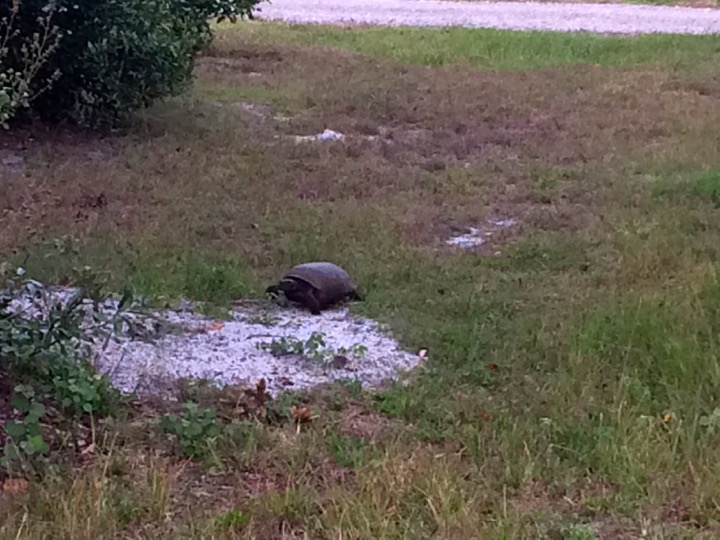
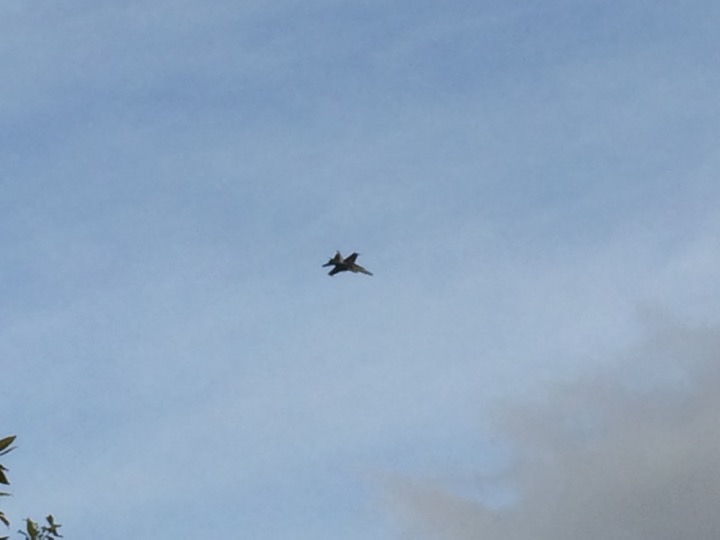
I snapped these really low quality iPhone pics of this big turtle, and this F/A 18 jet that kept buzzing overhead.

Turtle

F:A 18

The new battery set-up performed well.  I ran the laptop on the inverter for about 4 hours, and ran the fan for about an hour.  After checking the voltage, I think we are still in the 80 – 100% charged range – sweet!

Swamplands

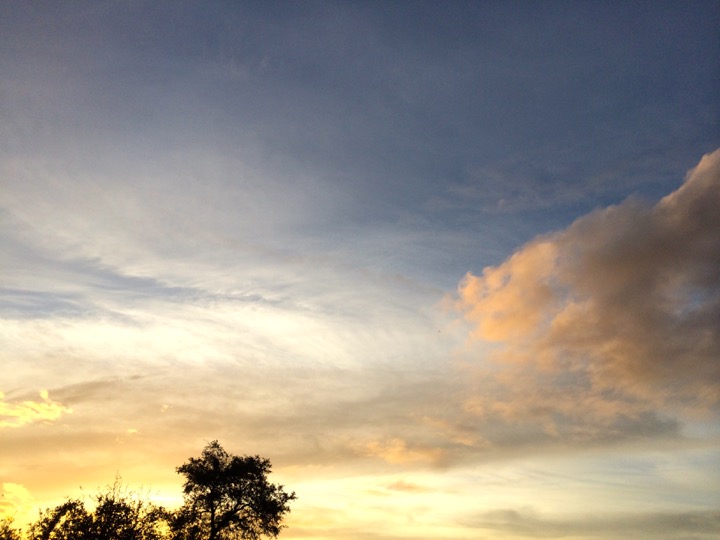
Hickory Hammock Sunset

Florida, Road Trip

Deep Cycle Battery Installation

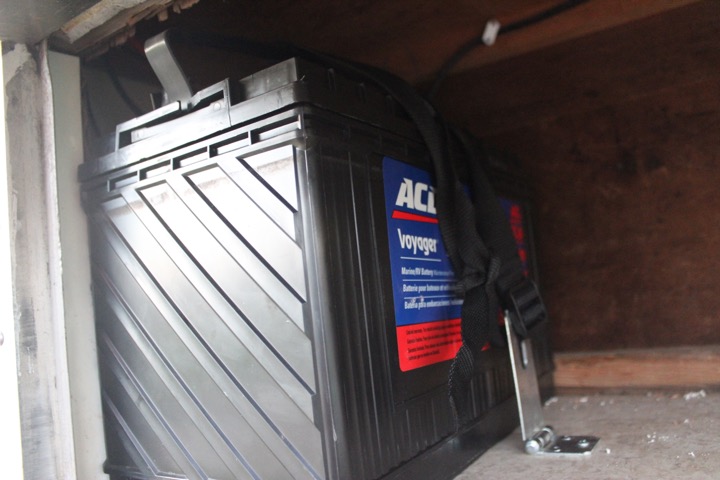
AC Delco Voyager

We’re back to the camping life after a nice break over the holidays. Today I installed a deep cycle battery in the camper to help us get more off the grid – everything seems to be working too!

We have been saying that we want to do more dry camping (boondocking, dispersed camping, sleeping in the woods like a hobo, whatever you want to call it). However, up until now the trailer hasn’t had a battery set up to let us bring electricity with us.

Our computers only last a few hours – once they die, so does our ability to keep working.  We then start drinking too much beer, watching too much nature, and having way too much fun… we can’t be doing that! I did some research, bought a few things, and got a system in place and all hooked up – it was electrifying!

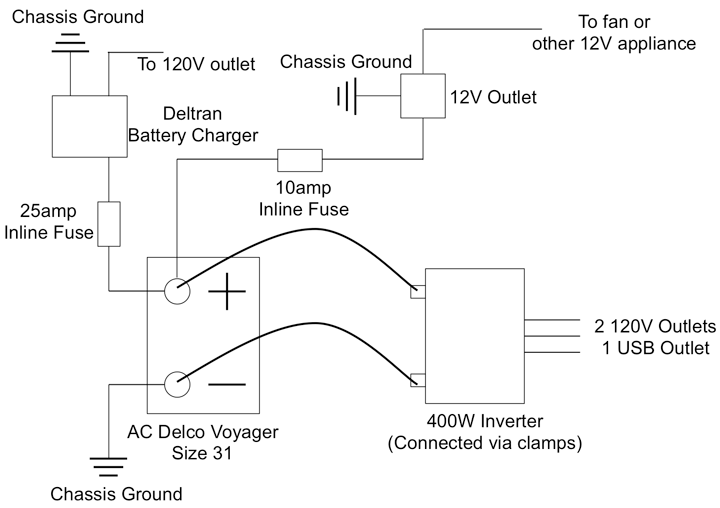
Here is the basic wiring diagram:

Deep-Cycle-Wiring-Diagram

I have tried to keep the set up simple – my goal is to be able to charge the laptops a few times, run a little 12V fan, and run a few other small things like a work light or drill if needed. I am not looking to run the fridge, water heater, space heater, or anything else like that. The cost of batteries and electrical components definitely skyrockets as the capacity need grows.

I went with a big size 31 AC Delco Voyager deep-cycle battery. This thing cost about $100, but has an 18 month warranty – and I can take it in anywhere AC Delco is sold (ie. any GM dealership). It has a 210 amp hour reserve, so I can get 105AH before needing to charge it up.

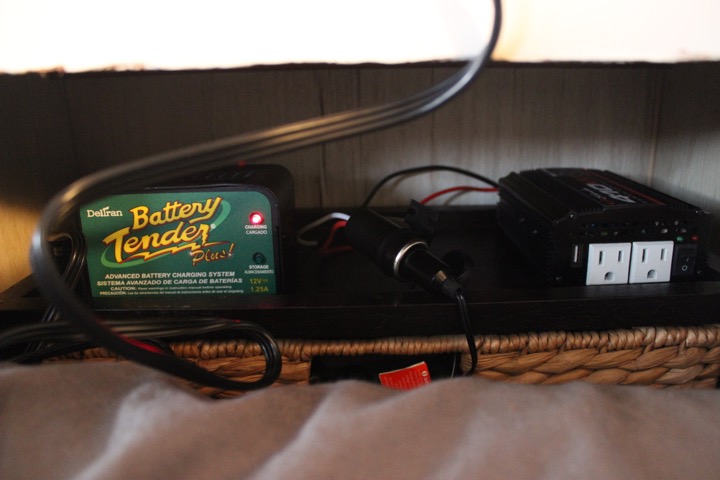
I went with a relatively cheap 400watt inverter from Wal-mart, but opted for a slightly more expensive battery charger. The research I did said that charging these big batteries properly is a huge factor in how long they last. I bought the Deltran Battery Tender Plus. It says it goes through 4 modes of charging, with the last being a maintenance mode. It automatically adjusts for temperature, and that last mode will ensure that I never overcharge the battery.

I also wired in a 12V outlet with inline fuse. My plan is to plug our little Road Pro fan into this thing. If I ever need to swap that out for something else that runs off 12V, I can easily do it without needing to rewire.

12V Appliances

I’ll have to post a follow-up on how effective this whole thing actually is, but my math would suggest that we can get about 20 full charges for the laptops (the computers draw 1.5AH, and take around 3 hours to charge), or I could run the fan for like 80 hours (1.3AH). I’m not counting efficiency loss, so reality will probably be worse – but as long as we can go at least a couple days on the battery I’ll be happy!

The battery cost a little over $100 with no core, the inverter was $30, the charger was $45, and the other few odds and ends made the total cost around $200. We average around $25 a night at a campground (or trailer park…), so it will take about 8 nights of sleeping out in the woods to make this worth it.

Deep Cycle Wiring

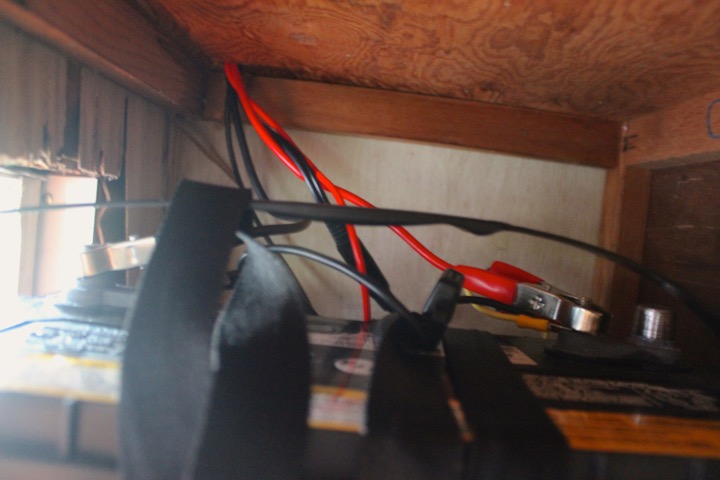
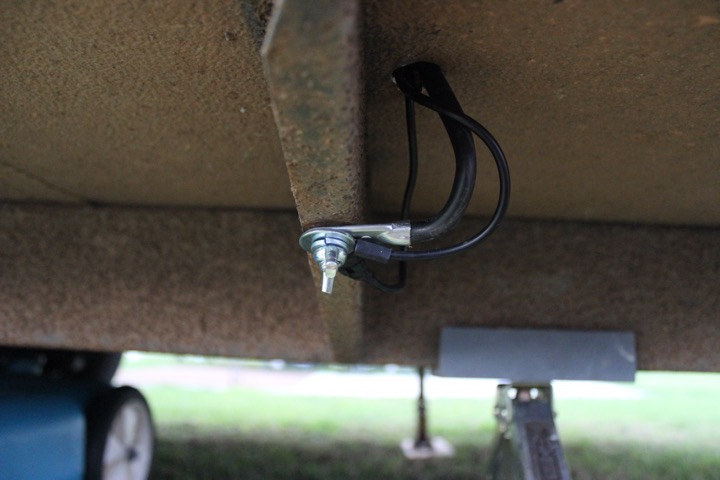
Deep Cycle grounding

I’m pretty happy with the installation. It took me a few hours to get everything set up (along with the obligatory two trips to the hardware store). When we want to charge the battery, we just plug the Deltran charger into “shore power”. When we want to charge the laptops, we just flip the switch on the inverter.

Everything seems to be working perfectly – now we just need to get off the grid, and see how long it lasts!

Florida, Road Trip

Big Cypress

Gatortime

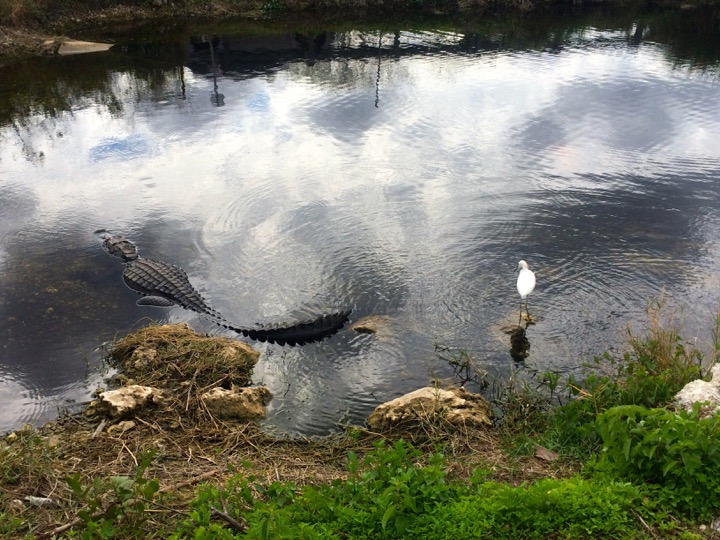
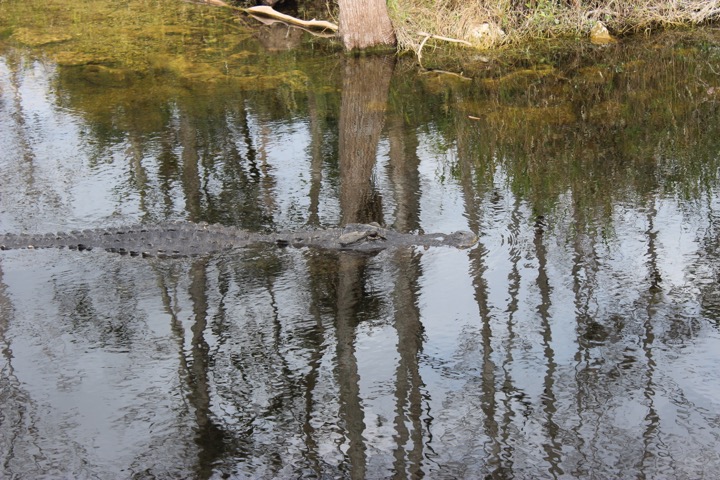
We found the gators – they are all hanging out upcountry at Big Cypress National Preserve. We spent two days down in the Everglades and only saw one gator. As soon as we pulled into the Big Cypress Oasis visitor center, we saw dozens of cold-blooded beasts lounging around.

The park ranger guy explained that in the dry season, a lot of the gators congregate in the canals that run along the roadways here. They were all just strung out along the highway soaking up the rays. He also said they basically just bask for days and weeks in the sun to store up energy, then expend it in a lightning burst to grab some unsuspecting prey. They only eat every couple weeks, and are good for a couple months if they catch something big.

He'll get'cha

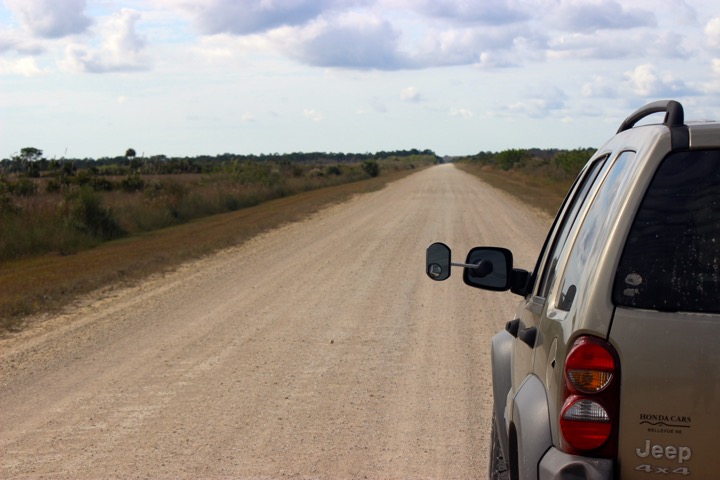
We took a little detour down a gravel road loop to see even more gators. Honestly though, I was more interested in the ratty homesteads we found along the road – more than a couple sweet old campers buried in that there swampland!

The Long Road

The national preserve campground we stayed at in Big Cypress was the roughest yet. This place ended up not having a shower house, and the bathrooms were shady at best. I didn’t realize that when I booked the two nights…oops. It’s hard to understand how they can justify charging the same $30 for this dump as they do for the more built up Everglades site – I guess that’s just government logic for you.

So at this point we’ve come pretty far from the opulence of running water and clean bathrooms in the Keys. Instead I got to spend a half hour McGyvering up this beautiful outdoor shower contraption. We’ve got a solar shower from Cabela’s that is basically a big 5-gallon water bladder with a little screw-on spray nozzle.

Anyone for a shower?

I feel that you haven’t really maximized your marriage until you find yourself holding a really heavy bag of water up in the air while your significant other rushes to shower only inches from your face surrounded by a tarp contraption consisting of every bungie cord you could find, and a big, pink flamingo chip clip (thanks Carla!)

Needless to say, we are looking forward to heading out of the wilderness, and back to civilization for the holidays!

Florida, Road Trip

Everglades

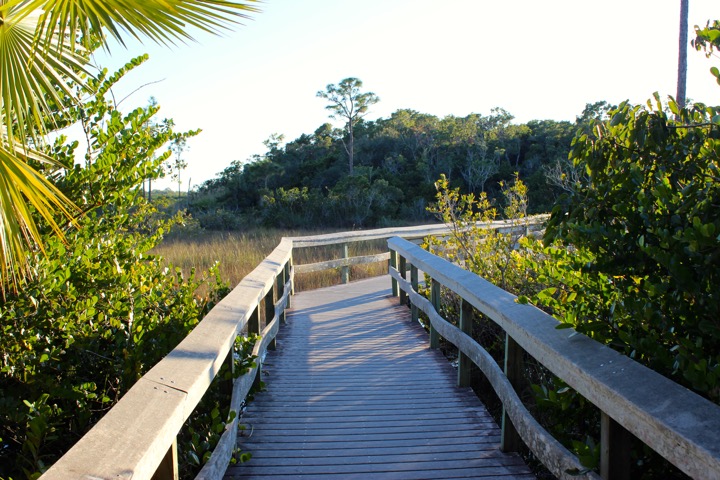
Everglades Boardwalk

We left the sunny, good vibes of the Florida Keys retiree lifestyle, and plunged headfirst into the backcountry of Everglades National Park. The campsite is electric only, the showers have no hot water, the skeeters are out in force, and we’re deep in gator country!

When I think of the Everglades, I conjure up visions of dense swampland full of alligators and muck. The reality is actually a lot different than I expected; the area is mostly miles and miles of wet grasslands and tons of birds. Water is the life force of this place, and flows down from the lakes in central Florida, passing through rivers of wet grasslands before flowing out into Florida Bay. The National Park does a good job of illustrating and explaining the massive water conservation efforts that are currently underway to help preserve the fragile ecosystem.  The guy at the visitor center said the populations of Egrets and other wading birds are down 90% from where they were in the 1930’s.

We went on a few short hikes to check out the scenery. The first thing you notice is the huge variety and number of birds. They are everywhere! It’s the dry season here, so the numbers of bugs are greatly reduced from their summer volumes (so we are told.)

Anyone looking for some endangered swamp mahogany?
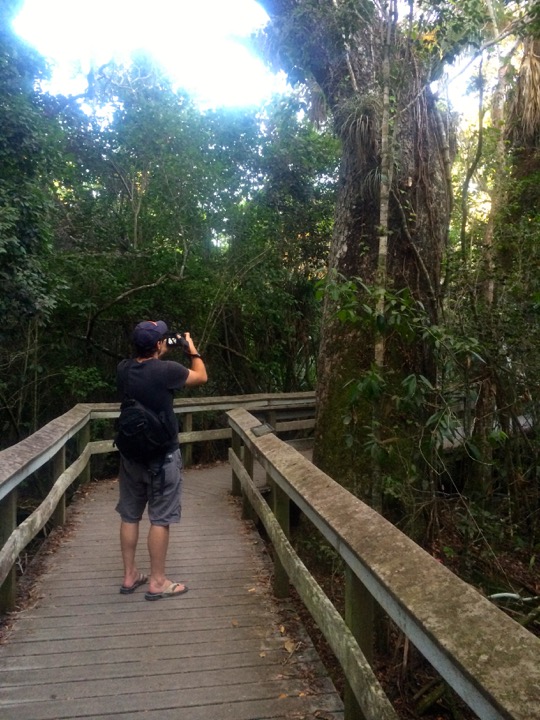
Mahogany Hammock

On Friday, we got up early to embark on what turned out to be a fairly epic 5-hour canoe trip into the Everglades backcountry. We rented the boat at the Flamingo Marina – $22 for 5 hours. The guys at the dock were really nice. I think they were a little excited to have some young people that seemed actually interested in the area. They told us about a sweet hidden route from Coot’s Bay through a tunnel of mangrove trees to Mud Lake.
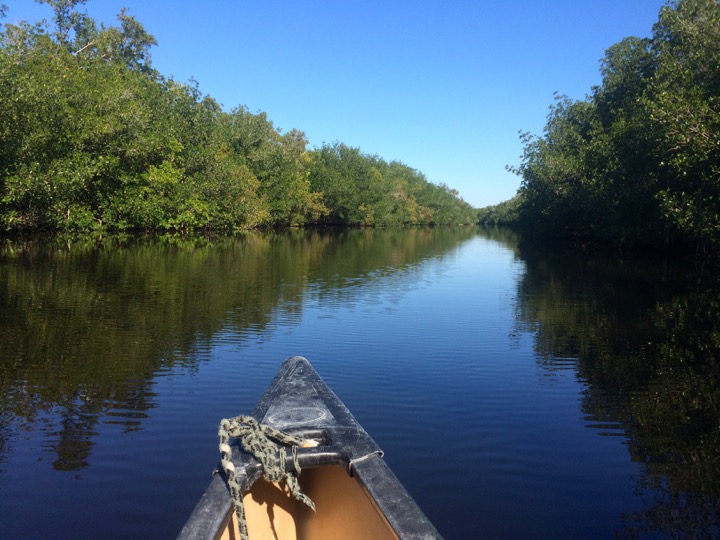
Canoeing the Everglades

We paddled about an hour up the waterway to Coot’s Bay – the weather was sunny and pleasant – really peaceful! Not much in the way of wildlife, but lots of white mangrove trees. If we veered closer to shore the bugs would come out and bug us so I tried to keep us closer to the middle of the canal.
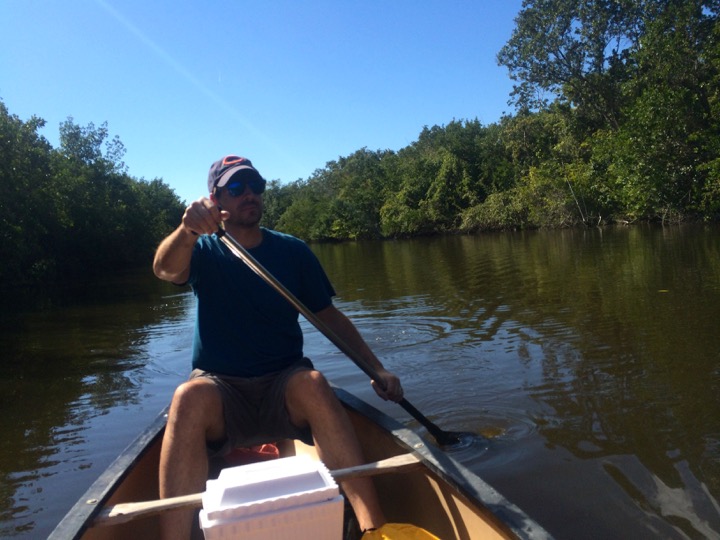
I'm so cool

We made it out onto Coot’s Bay, and worked our way along the shore until we spotted the entrance to the mangrove tunnel. That tunnel was the coolest part of the trip by far.

It took about 10 minutes to meander through the narrow channel. The trees were dense; sometimes we had to duck down, and other times we had to pull ourselves along using the overhanging branches. Noelle thinks she saw a gator slip into the water, but I’m not that sure.
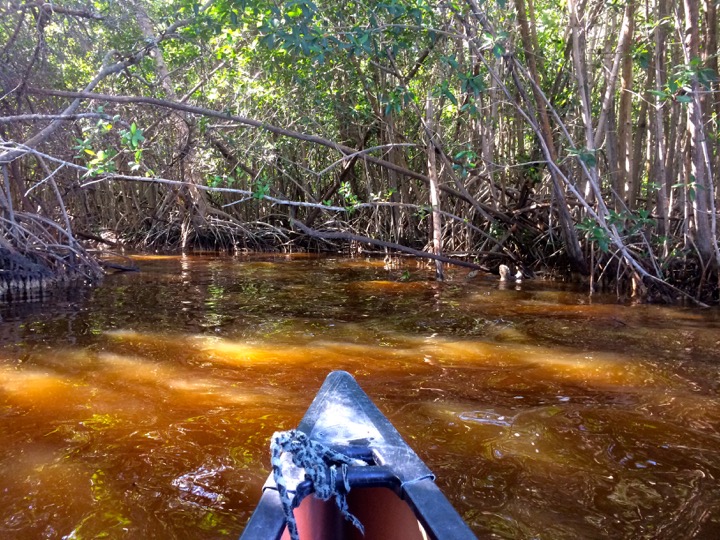
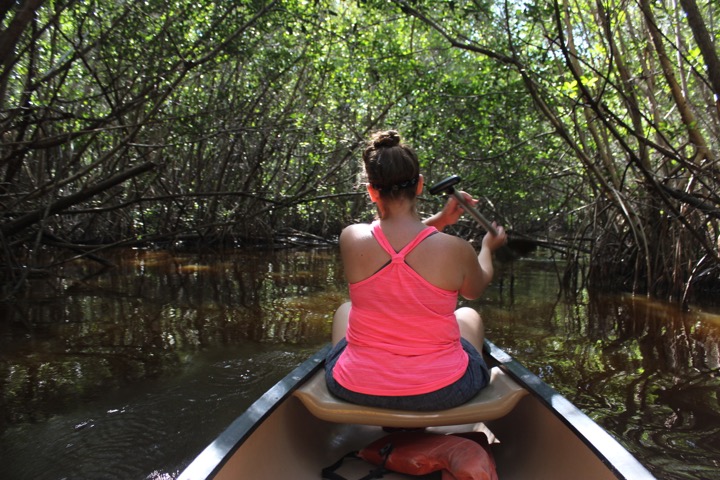
Into the Tunnel

Navigating the Mangrove Tunnel

Mud Lake was really neat – it was muddy, shallow, full of birds, and we were completely isolated. That little mangrove tunnel is the only way into the lake. We had a nice little picnic lunch in the canoe, saw some more birds, and some weird jumping eel looking things.
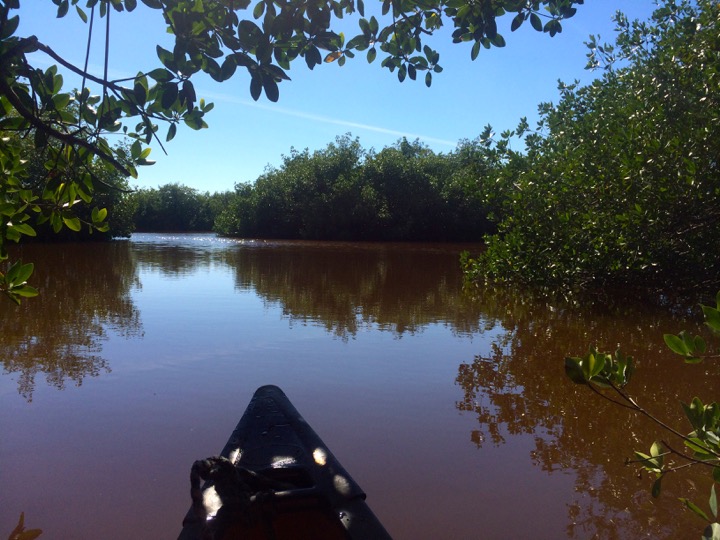
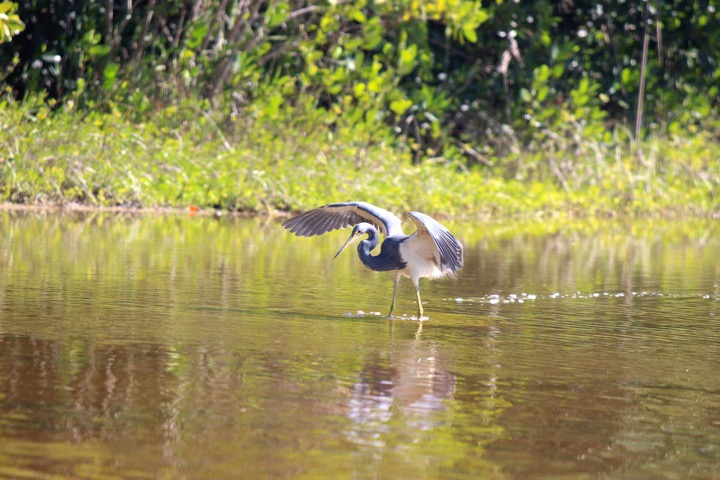
Out into Mud Lake

Wader in Mud Lake

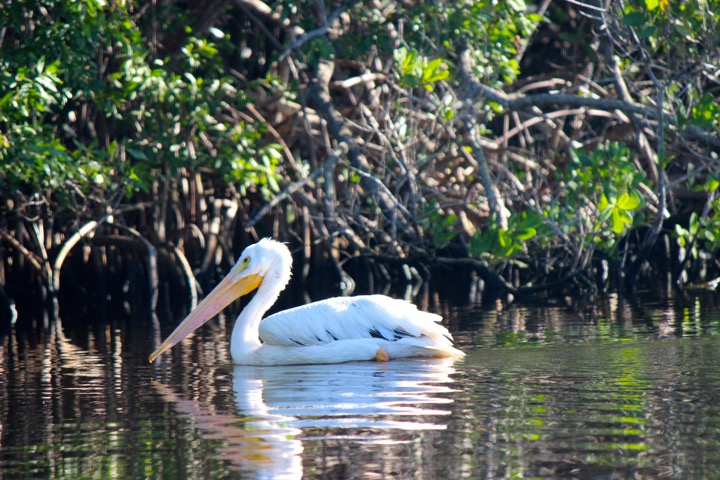
Pelican

I panicked a little trying to find the little mangrove tunnel on the way back, but Noelle’s common sense eventually had us working our way along the shore until we spotted it.

The haul back to Flamingo was pretty tough – we had been paddling for over 3 hours at that point, and we faced a strong headwind back in Coot’s Bay. The sun was going strong, and body parts were starting to ache. The last leg of the canoe trip was pretty brutal. Skin tight from sun, backs cramping, hands raw from the effort.

A friend from the cold northern wastes of Chicagoland suggested I do some alligator wrassling while we are down here, but up to this point we hadn’t seen a single gator. We had a running joke that the whole idea of alligators everywhere was just a huge Florida marketing ploy intended to lure unsuspecting tourists.  Ironically, as we rounded the final bend, we saw this bastard sunning himself on the boat ramp. Yeah we just canoed all day long without seeing a single gator and we could have seen this thing without even leaving the car! Oh well, it felt really good to complete that trip.
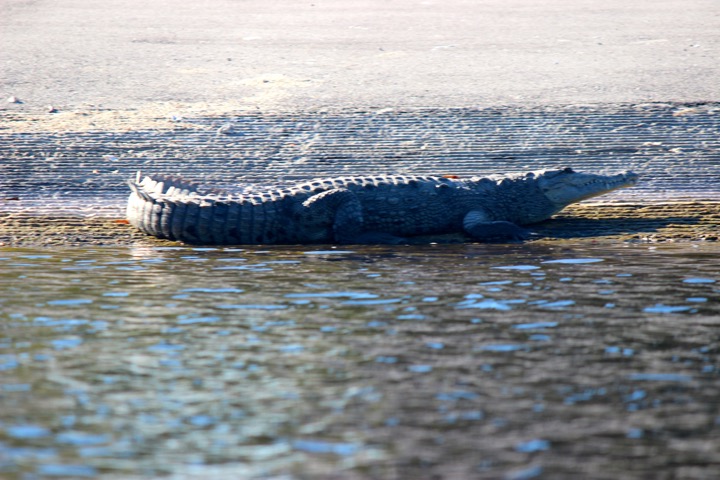
Gator time

It was a different guy at the dock when we got back – he asked where we had gone – we said Mud Lake and he was like, “Wow you went all out!” I was like, “Heck yes we did!”